
- Foundation Waterproofing
Foundation Waterproofing Contractors: How to Protect Your Home From Water Damage
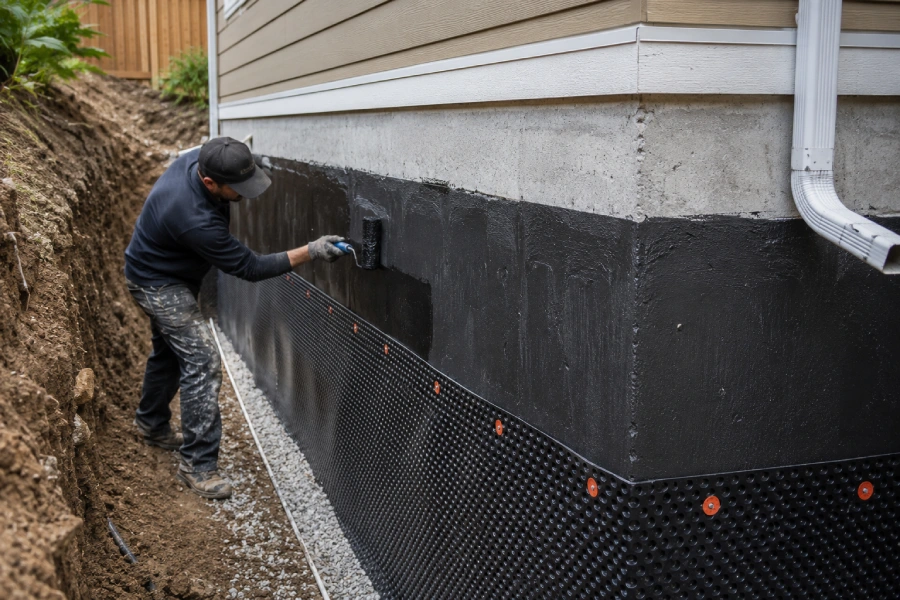
Water is one of the most persistent threats to a home’s foundation. In North Texas, heavy seasonal rain combined with expansive clay soil means moisture around the foundation doesn’t just create puddles — it can seep into crawl spaces, basements, and slab edges, contributing to long-term structural movement and indoor air quality problems. If you’re comparing foundation waterproofing contractors, it helps to understand what the work actually involves before you start collecting quotes.
Why Foundation Waterproofing Matters in DFW
Most homes in the Dallas–Fort Worth area don’t have traditional basements, but many have crawl spaces, and every home has a foundation perimeter exposed to seasonal moisture swings. When water pools against the foundation or seeps into a crawl space, it can soften soil, accelerate shrink-swell cycles in clay, and create the kind of moist environment where mold and wood rot take hold. Addressing water intrusion isn’t only about keeping a space dry — it’s also about protecting the structural integrity of the foundation itself.
Signs You May Need Waterproofing
- Musty odors in a crawl space or lower level
- Visible water stains or efflorescence (white mineral deposits) on foundation walls
- Standing water or damp soil under the house after rain
- Peeling paint or bubbling drywall near the base of walls
- Condensation on pipes or ductwork in a crawl space
- Increased humidity noticeable inside the home
Any one of these on its own might not indicate a serious problem, but a combination of several is a good reason to have the foundation evaluated.
Interior vs. Exterior Waterproofing
Exterior waterproofing typically involves excavating around the foundation to apply a water-resistant membrane and improve drainage away from the structure. It addresses the source of the water before it reaches the foundation wall. Interior waterproofing methods manage water after it has already entered, often through interior drainage channels and sump systems. In many cases, a foundation waterproofing plan combines both approaches along with surface-level grading corrections, depending on where the water is originating.
The Role of Drainage in Waterproofing
Waterproofing rarely works in isolation. If water is pooling against the home because of poor grading or a downspout draining too close to the foundation, sealing the wall alone won’t solve the underlying issue. A well-designed drainage solution — regrading the yard, extending downspouts, or installing a French drain system — redirects water before it ever reaches the foundation, which is often more effective long-term than waterproofing alone.
Crawl Space and Basement Waterproofing
Crawl space waterproofing generally includes sealing vents, installing a vapor barrier over exposed soil, and correcting any standing water or drainage issues beneath the home. This helps control the humidity that leads to wood rot, pest activity, and mold growth in the framing above. According to the U.S. Environmental Protection Agency, controlling moisture is the single most effective way to prevent mold growth indoors, and drying water-damaged areas quickly is an important part of that process — guidance covered in the EPA’s brief guide to mold, moisture, and your home. For homes with a true basement, waterproofing follows similar principles but often requires a more involved excavation or interior drainage system given the amount of below-grade wall exposed to soil pressure.
Homeowners should also check their insurance policy before assuming water intrusion repairs are covered. Coverage for water damage often depends on the source of the water and whether it’s considered sudden versus gradual, a distinction outlined in the Texas Department of Insurance’s home insurance guide.
What to Ask Foundation Waterproofing Contractors
Before hiring, ask for a clear explanation of where the water is coming from and why the proposed solution addresses that specific source. A reliable contractor should be able to walk you through the inspection findings rather than jumping straight to a sales pitch. Other useful questions include what warranty applies to the work, whether the plan includes drainage corrections in addition to waterproofing, and whether a structural foundation inspection is recommended if there are signs the water intrusion has already affected the foundation itself.
Preventing Future Water Problems
Ongoing maintenance matters as much as the initial waterproofing work. Keep gutters clear, make sure downspouts discharge several feet away from the foundation, maintain consistent grading around the perimeter, and address any plumbing leaks quickly. Homes with mature trees close to the foundation may also benefit from root barrier installation to reduce root-related soil disruption that can affect drainage patterns over time.
Talk to a Local Waterproofing Specialist
If you’re seeing signs of water intrusion or just want to be proactive before the next rainy season, a professional evaluation is the best way to identify the actual source of the problem.
Frequently Asked Questions
Is foundation waterproofing the same as basement waterproofing?
Basement waterproofing is a specific application of the same principles used for crawl spaces and foundation perimeters — all aim to keep moisture from reaching the structure.
How long does waterproofing typically last?
It depends on the method and materials used. Exterior membrane systems and properly installed drainage corrections are generally built to last many years, though ongoing maintenance like gutter cleaning still matters.
Can waterproofing fix a foundation that's already cracked?
Waterproofing addresses moisture intrusion, but it doesn't repair structural movement. If cracking or settlement is present, a separate evaluation for foundation repair is usually needed alongside waterproofing.
Do I need waterproofing if I don't have a basement?
Yes, if the home has a crawl space or if water regularly collects near the slab edge. Waterproofing principles apply to any foundation type exposed to moisture.
Request a foundation inspection
Get a free foundation inspection from a trusted DFW specialist.