
- Foundation Inspections
What to Expect During a Professional Foundation Inspection in DFW
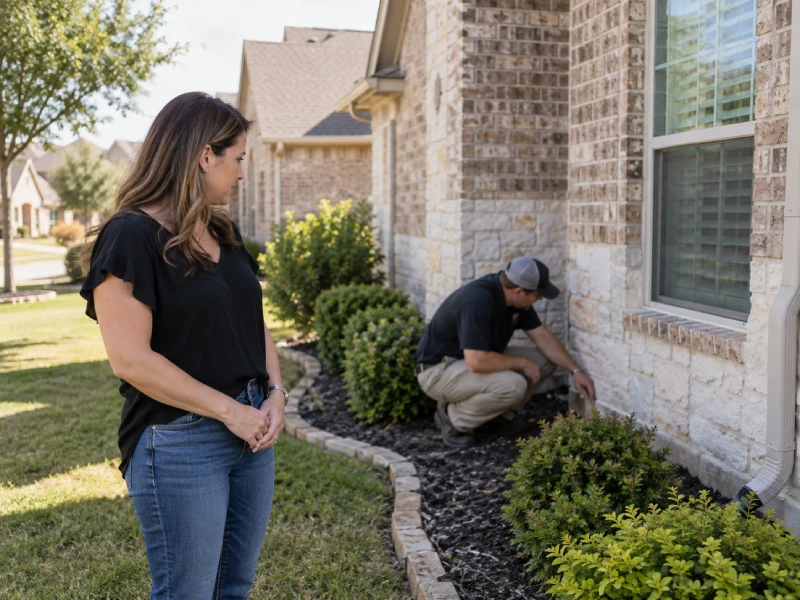
Scheduling a professional foundation inspection is an important step when you want to understand the structural condition of your home. Whether you have noticed cracks, uneven floors, or changes around your doors and windows, an inspection can help determine whether these issues are connected to foundation movement.
For homeowners in Dallas–Fort Worth, foundation concerns often involve several factors, including soil moisture, drainage, construction methods, and the age of the property.
However, an inspection does not automatically mean that major repairs are necessary. Its purpose is to evaluate the foundation, document visible conditions, and identify whether further testing, monitoring, or repair should be considered.
Understanding what happens during an appointment can help you prepare questions and make better decisions about your home.
What Is a Professional Foundation Inspection?
A professional foundation inspection is an evaluation of a property’s foundation and related structural conditions.
During the appointment, the inspector examines visible areas of the home to identify signs that may indicate movement, settlement, or other concerns affecting the structure.
The evaluation may include exterior walls, interior flooring, doors, windows, drainage conditions, and foundation supports that can be safely accessed.
Some inspections also include elevation measurements to identify differences between areas of the home.
The exact process depends on the foundation type, property conditions, and scope of the inspection.
A contractor’s initial assessment may be different from a detailed investigation performed by a licensed professional engineer.
Homeowners can explore structural foundation inspection services to better understand the types of evaluations available throughout Dallas–Fort Worth.
When Should You Schedule a Foundation Inspection?
Homeowners generally arrange foundation inspections when they notice changes that could indicate structural movement.
These may include newly developed wall cracks, uneven flooring, sticking doors, gaps around windows, or exterior masonry separation.
However, an inspection may also be useful even when there is no obvious damage.
For example, someone purchasing an older home may want additional information about previous foundation repairs or current structural conditions.
Other situations include preparing for a major renovation, reviewing a previous repair, or investigating changes after a plumbing leak.
An inspection may also be appropriate when several contractors provide conflicting explanations of the same problem.
The important point is that foundation inspections help homeowners make decisions based on observations and measurements rather than assumptions.
Step 1: Discussing Your Foundation Concerns
A foundation inspection often begins with a conversation about the property.
The inspector may ask when you first noticed the problem, whether it has changed over time, and whether the home has a history of foundation repairs.
You may also be asked about past plumbing leaks, drainage improvements, construction work, or previous inspection reports.
These details help provide context for the visible conditions.
For instance, a crack that appeared recently may require different attention from a stable crack that has remained unchanged for several years.
If you have photographs showing how the condition developed, they may help the inspector understand its history.
It can also be useful to mention whether doors or windows become more difficult to operate during certain seasons.
Providing accurate information helps the professional decide which areas deserve closer examination.
Step 2: Inspecting the Exterior of the Home
The inspector will typically examine accessible exterior areas of the property.
This may include brickwork, exterior walls, visible foundation surfaces, and the ground surrounding the home.
Cracks in masonry, separation around openings, and gaps near structural components may provide information about possible movement.
The inspector may also look at how the foundation relates to nearby patios, walkways, and attached structures.
However, not every exterior crack is caused by foundation damage.
Materials can crack because of shrinkage, temperature changes, aging, or installation conditions.
The purpose of the inspection is to evaluate the pattern and location of these observations together.
A professional should explain which findings appear cosmetic and which may warrant further investigation.
Step 3: Checking Interior Walls, Floors, and Openings
Inside the home, the inspector may review walls, ceilings, flooring, doors, and windows.
Diagonal cracks near doorframes, separation at trim, or flooring that slopes noticeably may provide additional information.
Inspectors often compare observations across several rooms rather than focusing on one isolated problem.
For example, a door that sticks because of a worn hinge is different from several doorframes showing alignment changes.
Flooring conditions can also provide useful clues.
Cracked tile, gaps between flooring materials, and sloping surfaces may be examined alongside wall and ceiling conditions.
In some homes, the inspector may use measuring equipment to determine whether particular areas are higher or lower than others.
The findings should be considered together with the home’s age, construction, and previous repairs.
Step 4: Measuring Foundation Elevations
Elevation measurements can help professionals understand differences in floor height across a property.
Depending on the inspection scope, an inspector may use specialized levels or other surveying equipment to collect measurements at selected locations.
These readings can be used to create an elevation profile showing relative height differences.
However, an elevation difference does not automatically mean a foundation is actively moving.
Some homes were constructed with variations, while others have undergone previous repairs or changes over time.
Interpreting the measurements requires considering the overall structure and supporting evidence.
The Foundation Performance Association publishes technical guidance related to evaluating foundation movement, including information relevant to residential structures.
Such guidance is intended for appropriate professional evaluation rather than replacing an onsite inspection.
Homeowners should ask the inspector what the measurements mean and whether they indicate a need for further investigation.
Step 5: Evaluating Soil and Drainage Conditions
Soil and drainage are important considerations for foundation inspections in North Texas.
Some clay-rich soils expand when they absorb moisture and contract as they dry.
If moisture conditions vary around a property, different areas of the foundation may experience different pressures or support conditions.
During an inspection, professionals may examine grading, downspouts, standing water, erosion, landscaping, and visible gaps between the ground and foundation.
The USDA Web Soil Survey provides useful background information about soil characteristics in different locations.
However, general soil information cannot confirm the exact conditions beneath an individual home.
If drainage appears to be contributing to foundation concerns, the inspector may recommend evaluating residential drainage solutions.
Correcting water flow around a property can be an important part of managing conditions that affect the foundation.
Step 6: Examining the Foundation Type
The inspection process may differ depending on how a home was constructed.
Concrete slab foundations are typically evaluated through visible structural conditions, accessible slab areas, floor measurements, and surrounding site conditions.
A pier and beam foundation may allow additional inspection beneath the home when a crawl space is accessible and safe to enter.
In these properties, the inspector may examine support piers, posts, beams, floor framing, and signs of moisture damage.
Access limitations can affect what can be evaluated during an appointment.
The inspector should identify areas that could not be observed and explain whether additional access or specialized testing is necessary.
Homeowners should not attempt to enter hazardous crawl spaces or expose structural components themselves.
A qualified professional can determine which areas can be inspected safely.
Step 7: Identifying Whether Additional Testing Is Needed
Not every foundation concern can be explained through visual observations alone.
In some situations, an inspector may recommend plumbing tests, engineering analysis, or other specialized evaluations.
For example, unusual moisture near a slab may suggest a possible plumbing issue that requires testing by an appropriate professional.
A detailed structural concern may also require an independent engineer’s assessment.
These additional evaluations help determine whether a recommended repair addresses the underlying condition.
Homeowners should ask why a test is necessary, what information it will provide, and whether the cost is included in the original inspection service.
If an engineering opinion is needed, an engineer report may provide more detailed documentation and recommendations.
What Happens After the Inspection?
After examining the property, the inspector should explain the findings.
Depending on the service provided, you may receive a verbal explanation, photographs, elevation information, or a written report.
The outcome may involve several possibilities.
The inspector may recommend monitoring certain conditions, improving drainage, performing additional testing, or considering structural repair work.
Homeowners should understand why any recommended action is necessary and how it relates to the observed conditions.
If repairs are proposed, request a written explanation describing the affected areas and intended results.
You should also clarify whether the inspection findings represent a contractor’s assessment or a professional engineering opinion.
These documents may serve different purposes, particularly during real estate transactions or complex structural investigations.
How Long Does a Foundation Inspection Take?
The time required depends on the size and condition of the property.
A relatively straightforward visual evaluation may take less time than a detailed assessment involving multiple measurements or difficult-to-access areas.
Larger homes, extensive visible damage, crawl space access, and complicated repair histories can increase inspection time.
Additional engineering reports or laboratory testing may require separate appointments.
Before scheduling, ask the provider what the appointment includes and approximately how much time should be reserved.
This helps ensure you understand the scope of the service rather than relying on a general time estimate.
How Much Does a Foundation Inspection Cost?
Foundation inspection costs vary according to the provider, location, and services included.
Some foundation contractors offer initial assessments or estimates without an inspection fee.
More detailed engineering evaluations, written reports, and specialized testing may have separate charges.
A free contractor inspection and a paid independent engineering assessment should not automatically be considered equivalent services.
Before booking, confirm what will be evaluated, whether measurements are included, and whether you will receive written documentation.
It is also important to ask whether any additional testing requires separate payment.
Understanding these details can help avoid confusion when comparing inspection providers.
How to Prepare for Your Appointment
Homeowners can help make the inspection more efficient by preparing the property before the professional arrives.
Clear access to areas where damage is visible and gather any previous reports, photographs, or repair documents.
If possible, write down questions about cracks, flooring changes, drainage, and previous repairs.
You may also want to identify when symptoms first appeared and whether they change with the weather.
Do not cover cracks or attempt repairs immediately before the inspection, since the existing conditions may be useful during evaluation.
If the home has a crawl space, let the inspector know about its location and any known access problems.
Preparation helps the professional focus on the relevant conditions and gives you an opportunity to understand the findings.
Finding Foundation Inspection Services in DFW
Homeowners across Dallas, Fort Worth, Arlington, Plano, and surrounding communities can benefit from working with professionals familiar with local foundation conditions.
DFW Foundation Services connects homeowners with independent foundation contractors and inspection providers throughout the Metroplex.
The website’s service areas directory can help homeowners explore coverage and find assistance based on their location.
The professional you are connected with will provide the actual inspection, explain the findings, and recommend appropriate next steps.
Final Thoughts
A professional foundation inspection can provide useful information about your home’s structural condition and help you determine whether additional work is necessary.
Understanding the inspection process makes it easier to ask questions, review findings, and avoid making decisions based solely on visible symptoms.
If you have concerns about your foundation, DFW Foundation Services can help you connect with local professionals who provide inspections and related foundation services.
Frequently Asked Questions
What does a professional foundation inspection include?
It may include examining interior and exterior conditions, evaluating drainage, checking visible foundation components, and measuring floor elevations when appropriate.
How often should a home foundation be inspected?
There is no universal inspection schedule for every home. An evaluation is useful when new symptoms appear, existing conditions change, or a significant property decision requires more information.
Is a foundation inspection the same as an engineering report?
No. A contractor's inspection and a licensed engineer's evaluation may differ in scope, documentation, and professional responsibility.
Do I need to prepare my home before the inspection?
Clear access to affected areas and gather previous repair records or photographs. This can help the inspector evaluate the property efficiently.
Can an inspection determine whether foundation repair is necessary?
An inspection can identify conditions that may require repair or additional evaluation. The final recommendation depends on the findings and scope of the assessment.
Request a foundation inspection
Get a free foundation inspection from a trusted DFW specialist.