
- Foundation Repair Guides
Slab Foundation Repair Near Me: Signs Your Home May Need Professional Repair
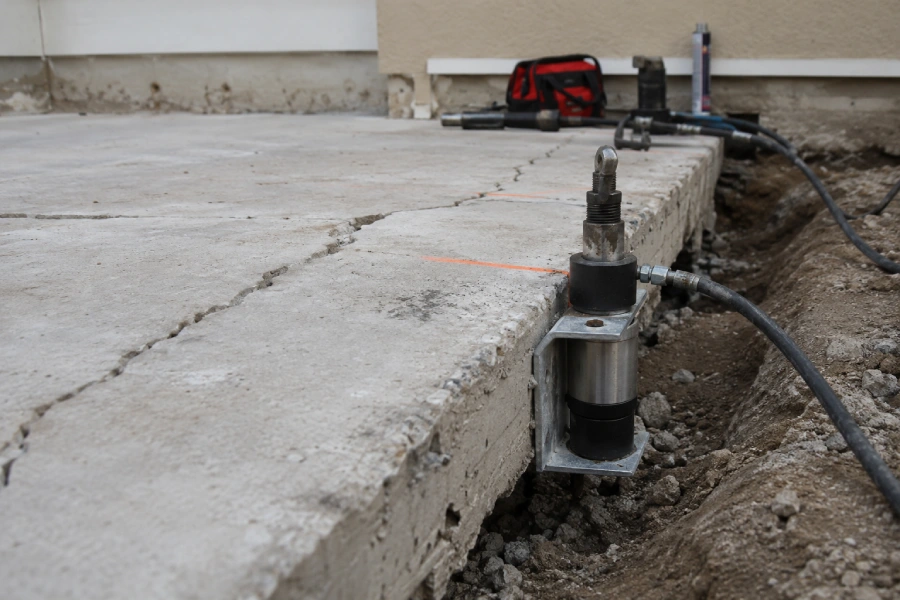
One of the first questions homeowners ask is how much foundation repair will cost. There is no single price that applies to every Dallas Fort Worth home. A minor stabilization need, a drainage correction, a pier and beam adjustment, and an extensive slab repair involve different labor, materials, access, and engineering requirements.
Insurance coverage is determined by the policy and the cause of damage. The Texas Department of Insurance home insurance guide explains common coverage categories and encourages homeowners to review their own policy details.
Online price ranges can provide general context, but an accurate estimate requires an inspection of the property. The best way to understand cost is to review the factors that shape the repair plan.
The Extent of Foundation Movement
A limited area of settlement may require fewer support points than movement affecting several sides of the home. Inspectors look at crack patterns, floor elevations, door and window operation, exterior masonry, and the history of the symptoms.
The number and placement of piers or supports can have a major effect on price. More extensive movement usually means more excavation, material, labor, and finishing work.
The Type of Foundation
Concrete slab homes and pier and beam homes are repaired differently. Slab repair may involve installing support systems around the perimeter or in interior areas. Interior work can require access through flooring and concrete.
Pier and beam repair may involve replacing damaged wood, adjusting supports, improving crawl space conditions, or installing new piers. Limited crawl space access, moisture, and damaged framing can increase the complexity of the project.
Repair Method and Materials
The recommended system may include concrete pressed pilings, steel piers, helical piers, new beams, support posts, shims, or other components. Each method has different material and installation requirements. The appropriate choice depends on structural needs, soil conditions, access, and professional recommendations.
Homeowners should compare the complete scope rather than choosing only by the lowest total. Ask what system is proposed, where it will be installed, what preparation is included, and how the work will be documented.
Access and Interior Work
Easy exterior access can reduce labor compared with areas blocked by patios, landscaping, pools, utility equipment, or narrow property lines. Interior support locations may require furniture removal, flooring protection, concrete cutting, dust control, and finish repairs.
The estimate should explain whether restoration of tile, wood, carpet, concrete, landscaping, or exterior surfaces is included or handled separately.
Drainage, Plumbing, and Related Repairs
Foundation movement may be connected to poor drainage or plumbing leaks. A repair plan may include drainage improvements, gutter corrections, grading, a root barrier, or a hydrostatic plumbing test. These items can add to the total project cost, but ignoring them may leave the source of uneven soil moisture unresolved.
Ask whether plumbing testing is recommended before or after foundation work and whether the estimate includes any related service.
Engineering and Permit Requirements
Some projects may benefit from an independent structural engineer or require documentation based on local rules, property conditions, or the needs of a buyer, lender, or insurer. Engineering fees, permits, surveys, and reports may be separate from the contractor proposal.
Confirm which documents are included, who prepares them, and whether follow up evaluation is part of the scope.
How to Compare Foundation Repair Estimates
Request written proposals that describe the observed problem, repair locations, system, quantity, warranty terms, payment schedule, exclusions, and expected site restoration. Be cautious when two estimates use different assumptions. A lower price may cover fewer locations or exclude work included in another proposal.
Ask questions until you understand why the repair is recommended. A reputable foundation specialist should explain the findings and options without pressuring you to make an immediate decision.
Planning Your Budget
Set aside funds for possible finish repairs, plumbing work, drainage improvements, and temporary access needs. Ask whether financing is available and review the terms carefully. Keep inspection documents, contracts, photographs, warranties, and payment records for future property maintenance or resale.
The most reliable cost figure for your home comes from a thorough inspection and a clear written scope.
Final Thoughts
Foundation concerns are easier to manage when you understand the cause and act on reliable information. If your Dallas Fort Worth home shows cracks, uneven floors, sticking doors, drainage concerns, or other signs of movement, schedule a professional inspection. DFW Foundation Services can evaluate the property, explain the findings, and recommend a practical next step based on the condition of your home.
Frequently Asked Questions
How much does slab foundation repair cost in North Texas?
The cost varies depending on the extent of movement, the number of piers needed, soil conditions, and access to the affected areas. A professional inspection is usually needed to determine the scope of work and provide an accurate repair estimate.
How long does slab foundation repair take?
Many slab foundation repairs can be completed within a few days, but the timeline depends on the size of the home, the number of repair points, site conditions, and the repair method recommended. Your contractor should provide a more specific timeframe after the inspection.
Can foundation problems cause plumbing issues?
Yes. Foundation movement can place stress on plumbing lines beneath or around a slab, while an existing plumbing leak can also contribute to soil movement. When plumbing is suspected, testing may be recommended to determine whether a leak is affecting the foundation.
Will foundation repair stop cracks from coming back?
Properly stabilizing the affected area can help prevent further movement, but existing cracks may remain visible or require separate cosmetic repairs. Addressing drainage, plumbing leaks, and other underlying causes can also help reduce the likelihood of additional movement.
How do I know if I need slab foundation repair or just crack repair?
Crack repair may be sufficient when a crack is isolated, stable, and not associated with other signs of movement. If cracks occur alongside sloping floors, sticking doors, wall separation, or exterior foundation cracks, a professional inspection can help determine whether structural slab repair is necessary.
Request a foundation inspection
Get a free foundation inspection from a trusted DFW specialist.