
- Pier and Beam Foundation Repair
Pier and Beam Repair Dallas: Common Problems and Professional Repair Options
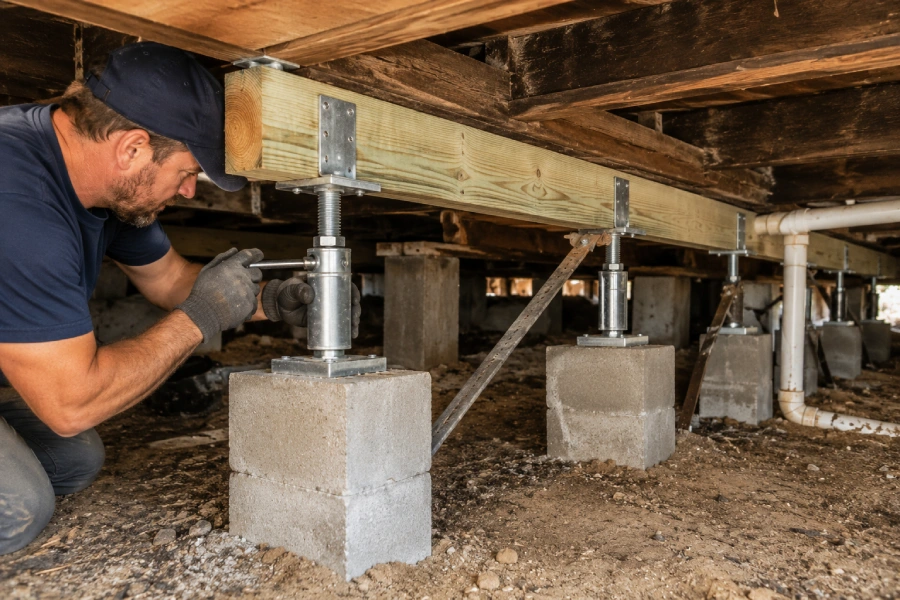
Pier and beam foundations are common in many of Dallas’s older neighborhoods, and they behave differently than the concrete slabs found in newer construction. Because a pier and beam foundation raises the home above a crawl space rather than resting directly on the ground, it comes with its own set of maintenance needs and failure points. If you’re researching pier and beam repair in Dallas, understanding how the system works helps make sense of what a contractor is actually recommending.
How Pier and Beam Foundations Work
A pier and beam foundation supports the home on a series of piers, with wood beams and floor joists spanning between them to create the crawl space underneath. This design allows easier access to plumbing and wiring compared to a slab, but it also means the wood components are exposed to whatever moisture, pests, and soil movement occur beneath the house. Over time, shifting piers, deteriorating wood, or standing water in the crawl space can all lead to noticeable problems inside the home.
Common Pier and Beam Problems in Dallas
- Sagging or bouncy floors — often caused by weakened floor joists or beams that have lost proper support
- Shifted or sunken piers — clay soil movement can cause individual piers to settle unevenly, throwing the floor system out of level
- Wood rot and moisture damage — poor crawl space ventilation or standing water can rot beams and joists over time
- Pest damage — termites and other wood-destroying insects are drawn to damp crawl space conditions
- Cracked or separated brick veneer — as the floor framing shifts, exterior masonry attached to the structure can crack along mortar joints
- Doors and windows that no longer close properly — a sign that the floor system beneath them has moved
Not every one of these issues requires major structural work, but several appearing together is a strong reason to have the crawl space professionally inspected.
Why Crawl Space Conditions Matter So Much
Because the wood framing of a pier and beam home is exposed to the crawl space environment, moisture control matters as much as the structural piers themselves. Standing water, poor drainage, or blocked vents can create conditions where rot and mold take hold long before any visible symptoms show up inside the home. The International Association of Certified Home Inspectors notes that crawlspace skirting and vent openings should be checked regularly for proper ventilation, since trapped moisture is one of the most common contributors to long-term damage in pier and beam homes, as described in InterNACHI’s foundation inspection guidance.
Pier and beam systems are also more sensitive to how individual piers are supported than many homeowners realize. InterNACHI’s overview of structural foundation design explains that piers are often used specifically to isolate a structure from expansive soil movement, which is part of why uneven pier settlement is such a common source of floor problems in older Dallas homes.
What a Pier and Beam Inspection Involves
A thorough inspection includes a visual check of the crawl space for moisture, pest activity, and wood condition, an assessment of pier placement and alignment, and elevation readings taken throughout the home to identify areas of unevenness. If access to the crawl space is limited, a contractor may need to remove sections of skirting to get a clear look at the piers and beams. This inspection forms the basis for a pier and beam foundation repair plan tailored to what’s actually happening underneath the house rather than a generic fix.
Repair Options for Pier and Beam Foundations
Depending on what the inspection finds, repair may involve replacing deteriorated wood beams or joists, adding or adjusting piers to restore proper support, releveling sections of the floor system, or improving crawl space drainage and ventilation to prevent the same moisture problems from recurring. In cases where moisture has been a persistent issue, pairing structural repair with a broader drainage solution around the home can help address the root cause rather than just the symptoms.
When to Call a Professional
Sagging floors, doors that suddenly stop closing properly, or a musty smell coming from the crawl space are all reasonable triggers for scheduling an inspection. Waiting often allows wood damage or pier movement to progress further, which can increase the scope and cost of the eventual repair. Homeowners who’ve noticed multiple symptoms at once should treat it as a priority rather than something to monitor indefinitely.
Get a Local Pier and Beam Inspection
DFW Foundation Services connects Dallas homeowners with experienced local contractors who know how to evaluate and repair pier and beam foundations the right way.
Frequently Asked Questions
How do I know if my home has a pier and beam foundation?
Homes with a raised first floor and an accessible crawl space underneath, rather than a foundation resting directly on a concrete slab, typically have a pier and beam system. Older Dallas neighborhoods have a higher concentration of this foundation type.
Is pier and beam repair more expensive than slab repair?
Cost depends on the extent of the damage and access to the crawl space rather than the foundation type alone. Limited access or extensive wood replacement can add to the scope of either type of repair.
Can I inspect my own crawl space for problems?
You can visually check for obvious issues like standing water or visible sagging, but a full assessment of pier condition, wood integrity, and structural alignment should be left to a professional.
Does moisture control prevent future pier and beam problems?
Yes. Managing crawl space moisture through proper drainage, ventilation, and grading significantly reduces the chance of wood rot and pier movement recurring after repair.
Request a foundation inspection
Get a free foundation inspection from a trusted DFW specialist.